
 dotdailydose
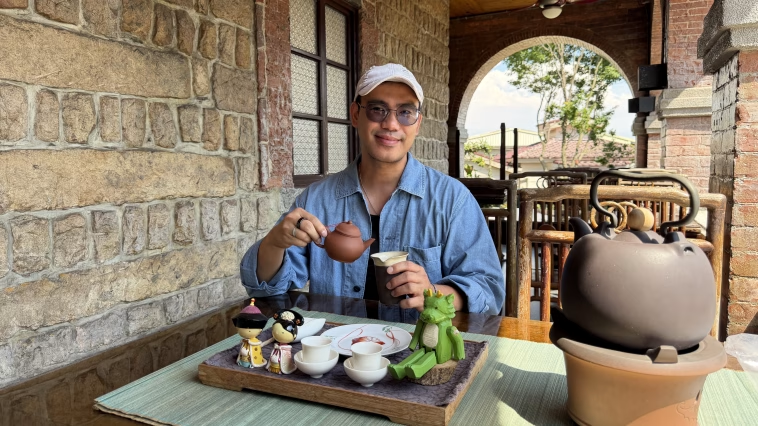
Taiwan’s culinary reputation often begins with its famous night markets, where the aroma of freshly prepared street food fills lively lanes and draws visitors from around the world. Yet beyond these beloved local favorites lies a sophisticated and remarkably diverse food culture that reflects Taiwan’s rich history, regional influences, and creative spirit.
The Taiwan 100 Ways: Waves of Flavor offers an immersive introduction to this dynamic culinary landscape, demonstrating that every meal can become a gateway to deeper cultural understanding.

Throughout the five-day itinerary, food serves as both a destination and a storytelling medium. In Tamsui, traditional snacks and waterfront specialties introduce visitors to flavors shaped by local traditions and maritime heritage.
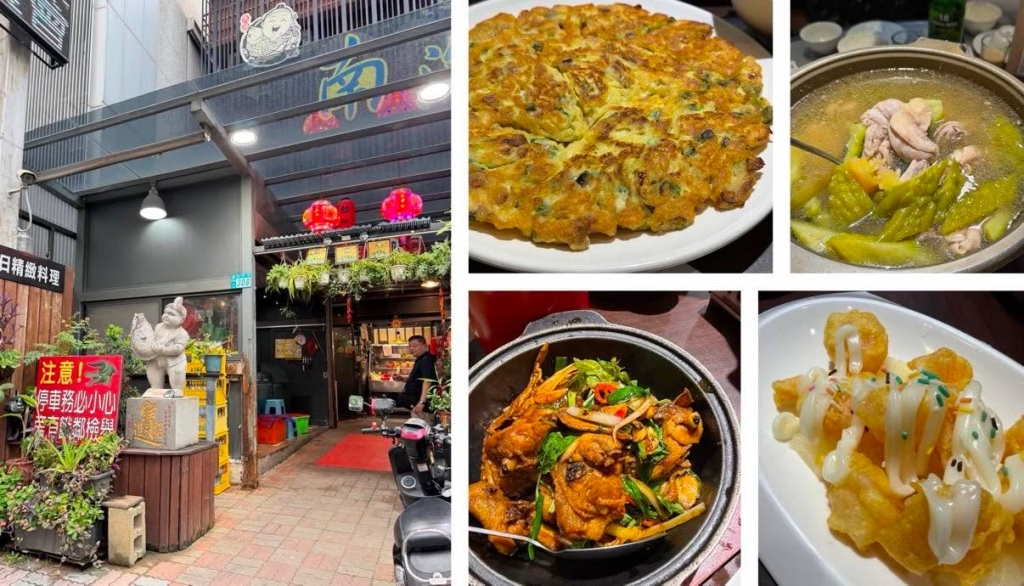
Along the historic streets of Dadaocheng and Dihua Street, travelers encounter artisanal tea houses, specialty food shops, dried goods merchants, and family-run businesses that have preserved culinary traditions for generations.
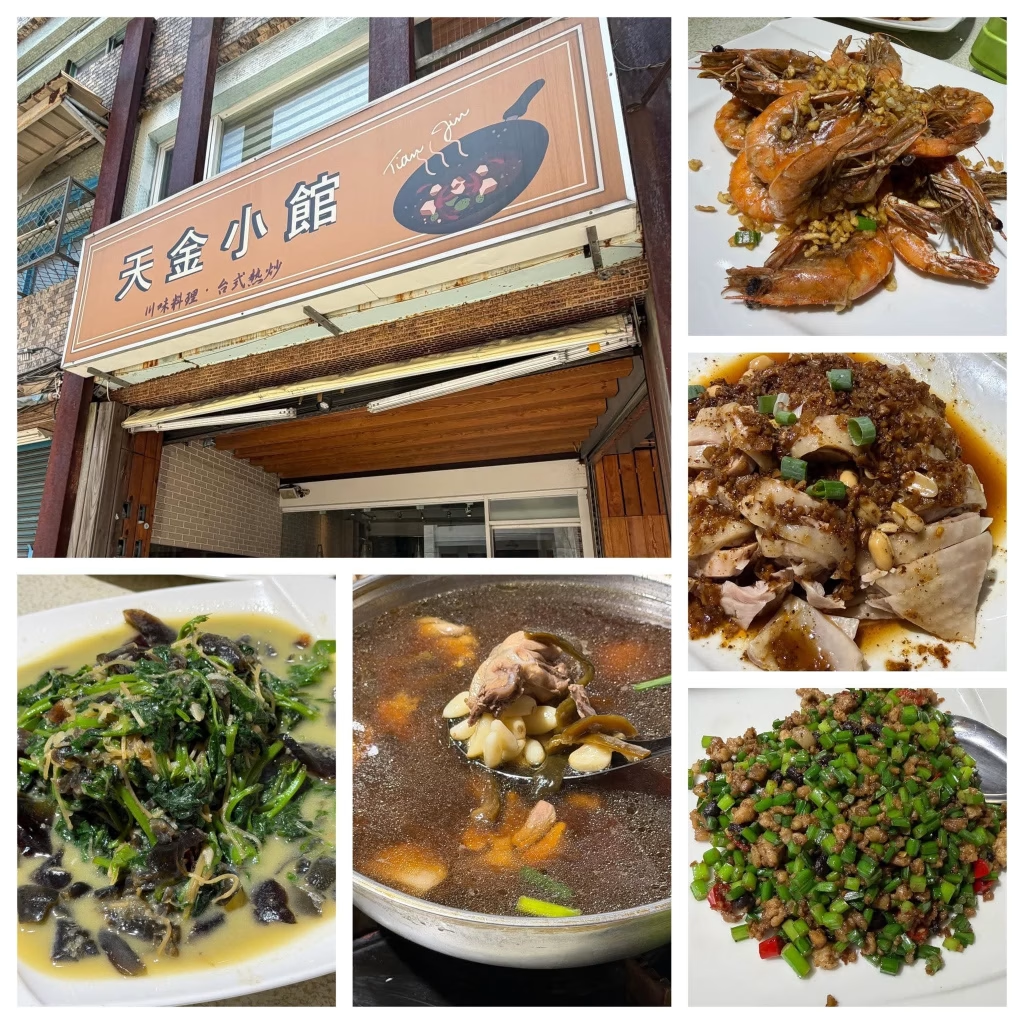
Taiwan’s tea culture also takes center stage during the journey. High above Taipei, the Maokong area provides not only breathtaking views but also opportunities to experience tea appreciation in the very environment where many renowned Taiwanese teas are cultivated. Here, visitors discover the craftsmanship, patience, and cultural significance behind one of Taiwan’s most celebrated exports.

The experience extends beyond local specialties to Taiwan’s internationally acclaimed dining scene. In 2025, the Michelin Guide included 419 restaurants across seven cities, while 144 establishments received Bib Gourmand recognition. These achievements highlight Taiwan’s remarkable culinary diversity, where refined fine dining exists alongside beloved local eateries, each offering its own interpretation of Taiwanese hospitality and flavor.
This diversity is reflected in the itinerary’s curated dining experiences, including visits to Michelin-recognized and Bib Gourmand-recommended establishments. Travelers are invited to savor meticulously crafted dishes that combine premium ingredients, culinary innovation, and impeccable service. Many of these restaurants are conveniently located near major attractions, allowing visitors to seamlessly integrate world-class dining into their sightseeing adventures.

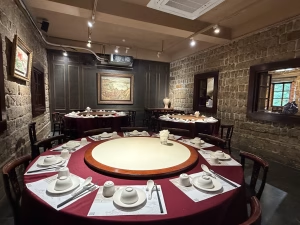
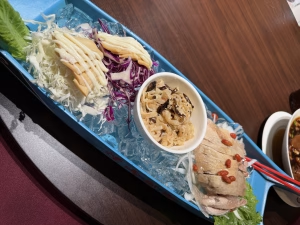
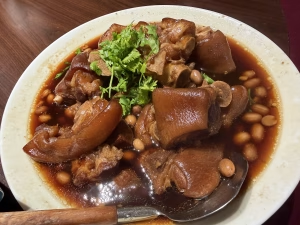
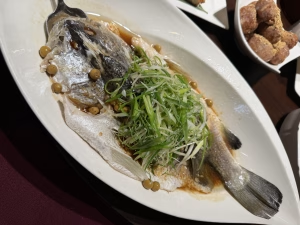
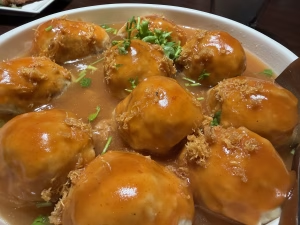
Lunching at Red Castle 1899 in Tamsui’s historic Red House, where the menu blends local flavors with refined banquet-style dishes is such a culinary experience. Highlights include the Red Castle Mixed Platter, a trio of savory bites inspired by maritime heritage, and the Braised Pork Knuckle with Peanuts, rich and tender from slow cooking. Guests also enjoy specialties like Tamsui Agei with golden scallops, and Steamed Sea Bass with Cordia Dichotoma, all showcasing the restaurant’s balance of tradition and creativity.
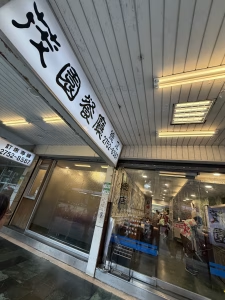
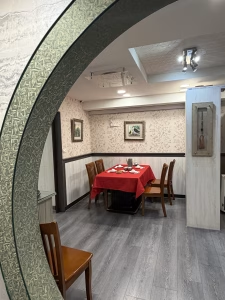
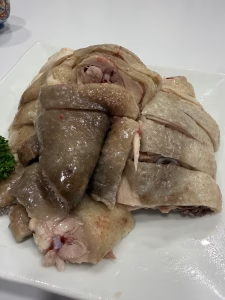
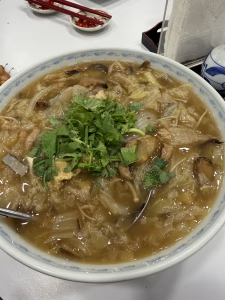
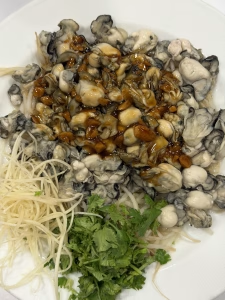
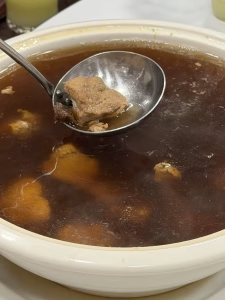
Meanwhile, dinner at Mao Yuan Restaurant, a Bib Gourmand awardee, offered classic Taiwanese dishes such as White Cut Chicken, and Fresh Oysters with Garlic Sauce. Comforting sides like Braised Napa Cabbage with Dried Fish and Pork Rib Soup with Aged Preserved Radish embody the warmth of family-style dining.

What makes Taiwan’s food culture truly exceptional is its accessibility. Travelers can enjoy a humble bowl of noodles in a neighborhood eatery, discover traditional recipes passed down through generations, or indulge in contemporary tasting menus prepared by award-winning chefs—all within the same day. Every meal reveals a different perspective of Taiwan, offering new stories, traditions, and inspirations.

Ultimately, Waves of Flavor is about more than food. It is about exploring Taiwan through taste, connecting with local culture through shared meals, and appreciating the creativity that continues to shape the island’s evolving culinary identity.
Just as no two travelers experience Taiwan in the same way, no two culinary journeys are alike. From bustling street markets to Michelin-recognized dining rooms, from historic tea districts to contemporary gastronomic destinations, Taiwan offers endless possibilities for discovery.
This is the essence of Taiwan 100 Ways: a celebration of diversity, creativity, and personal exploration. Visitors are encouraged to craft their own routes, follow their own curiosities, and share their uniquely designed Taiwan 100 Ways journeys—because in Taiwan, there is never just one way to travel, taste, or experience the destination.



